When something feels wrong with our body, we usually try to find out why. We may check our blood pressure, have a blood test, or undergo other medical examinations. But when we start having trouble focusing, forgetting things, struggling to sleep, or noticing changes in the way we think, we often overlook them. Yet, the brain is one of the most important organs in the body. It plays a central role in how we think, remember, learn, move, sleep, respond to our surroundings, and regulate our emotions. So much of what we experience and do every day is closely connected to how our brain works.
That is why, when these functions change, the brain deserves to be understood as part of our overall health. It is not only about recognizing what we feel, but also about understanding what may be happening beneath the surface.
The Same Symptom Does Not Always Mean the Same Condition
Two people may experience the same complaint, but their brains may not be working in the same way. Sleep problems, psychological factors, stress, and changes in brain network activity can all influence how we think, concentrate, manage emotions, and function in everyday life.
One symptom does not always point to one problem. And one underlying problem may not always be obvious from the symptoms alone.
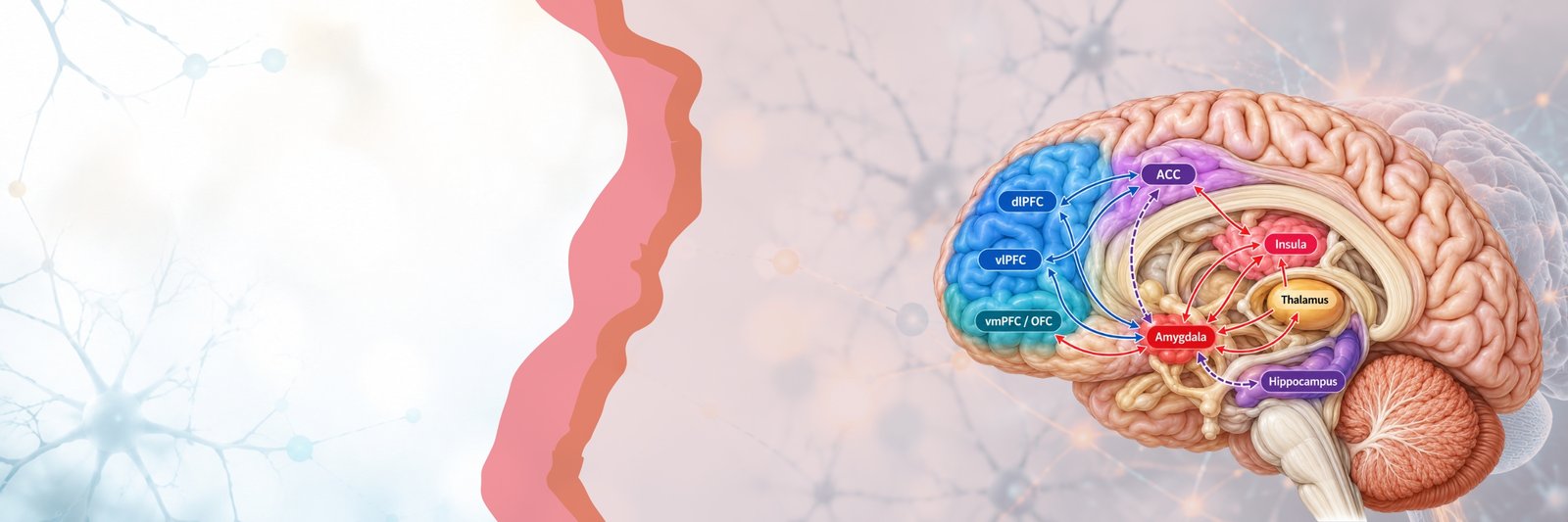
Difficulty concentrating, for example, may be related to poor sleep, mental strain, changes in psychological well-being, or the way brain networks regulate attention. From the outside, the experience may look the same. Inside the brain, however, the story may be very different.
That is why understanding the brain requires more than simply identifying symptoms. We also need to understand what may be happening behind those symptoms.
How Can We See Brain Activity?
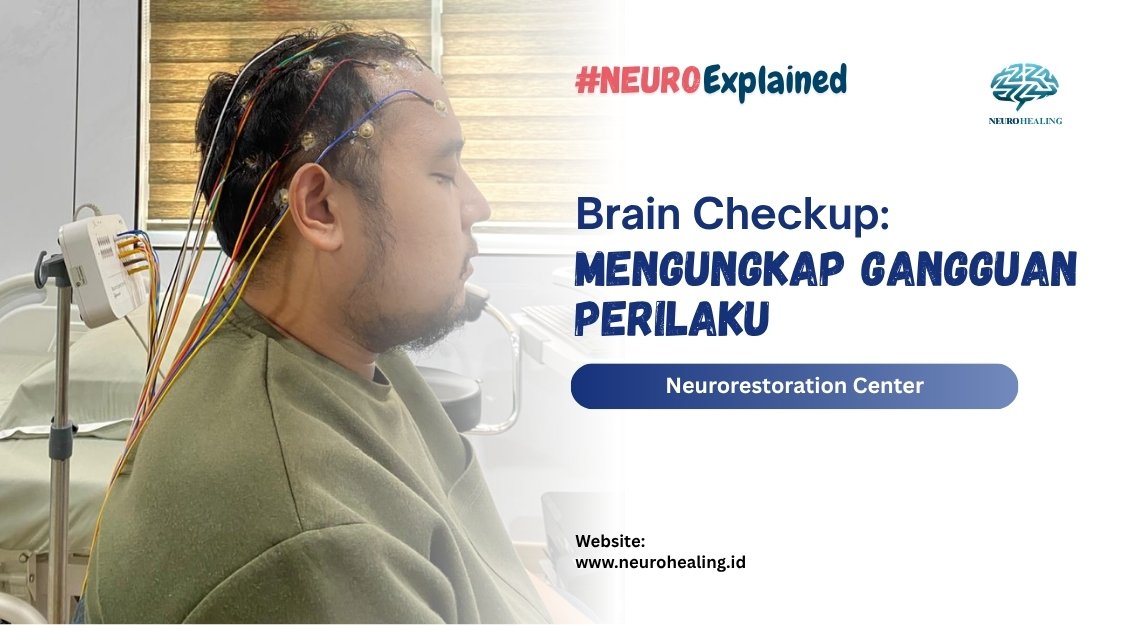
The brain works through electrical and chemical communication between neurons. When large groups of neurons work together, the resulting electrical activity can be recorded from the scalp using electroencephalography (EEG).
EEG can capture changes in brain electrical activity over time, even within milliseconds. This allows us to see when brain activity changes and how these patterns develop over time.
But EEG recordings contain complex signals. Quantitative EEG (qEEG) uses computational analysis to process these signals into measurable information, such as frequency, amplitude, activity distribution, and certain measures of connectivity. In this way, complex electrical signals can be analyzed as more systematic patterns.
However, qEEG is not a “picture” of the brain, nor is it a tool that can automatically provide a diagnosis. Its findings need to be interpreted alongside recording quality, the underlying EEG signal, individual characteristics, and the clinical context. [1,2]
In simple terms, EEG records the brain’s electrical activity. qEEG helps us make sense of the patterns within that activity. Together, they offer a way to understand aspects of brain function that cannot always be seen from symptoms alone.
Why Does an Individual Approach Matter?
Every brain has its own characteristics and patterns of activity. The same symptoms do not necessarily reflect the same patterns of brain activity. That is why an approach to brain health needs to take each individual’s condition into account.
qEEG can provide a more objective picture of an individual’s brain electrical activity, adding information beyond what someone feels or reports and helping us understand measurable neurophysiological patterns.
We routinely check blood pressure to understand cardiovascular health. We run blood tests to learn more about what is happening inside the body. So, what about the brain?
When changes occur in our attention, sleep, memory, emotions, or thinking, understanding the brain may be an important step before deciding what approach is most appropriate.
Don’t just understand what you feel. Understand how your brain works.
Because effective intervention is not only about what we do, but also why we do it and how we know whether the brain is responding.
Understand the Brain.
Then Decide the Intervention.
References
[1] Kopańska M, Trojniak J, Pąchalska M. (2026). Quantitative electroencephalography as a next-generation tool in neurodiagnostics: significance, clinical applications, and practical interpretative frameworks. Frontiers in Neuroscience. DOI: 10.3389/fnins.2026.1834391
[2] Collura T, Cantor D, Chartier D, et al. (2025). International QEEG Certification Board Guideline Minimum Technical Requirements for Performing Clinical Quantitative Electroencephalography. Clinical EEG and Neuroscience. DOI: 10.1177/15500594241308654